

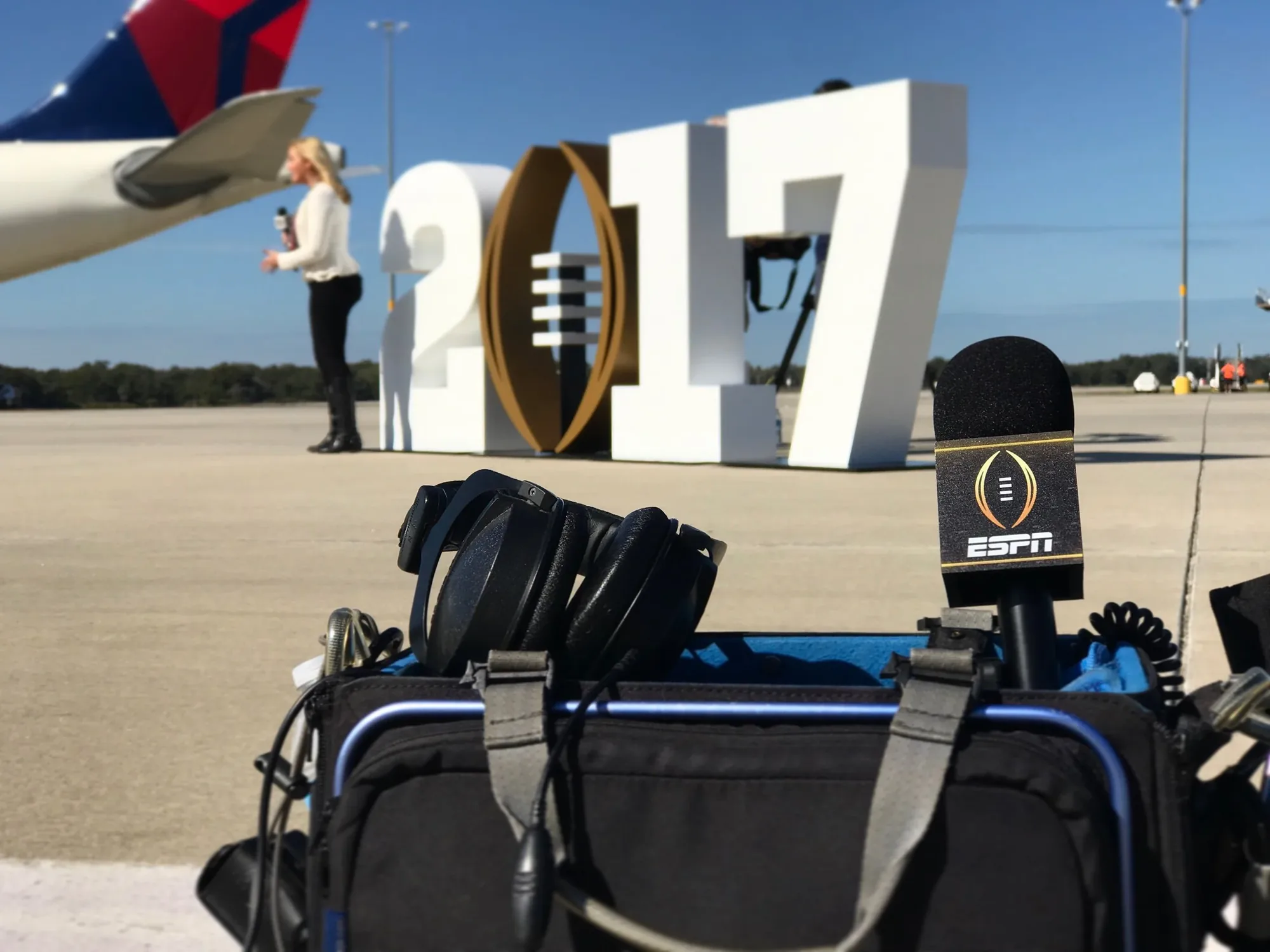


When you hire a sound mixer, the day rate covers a person plus a complete kit that’s ready for whatever the day turns into. Here’s what a real package needs and why each piece earns its spot. The core of it is on every job; a few items (like IFB) are extras on my rate card that I always have on hand and add when a shoot calls for them.
A mixer/recorder you can trust
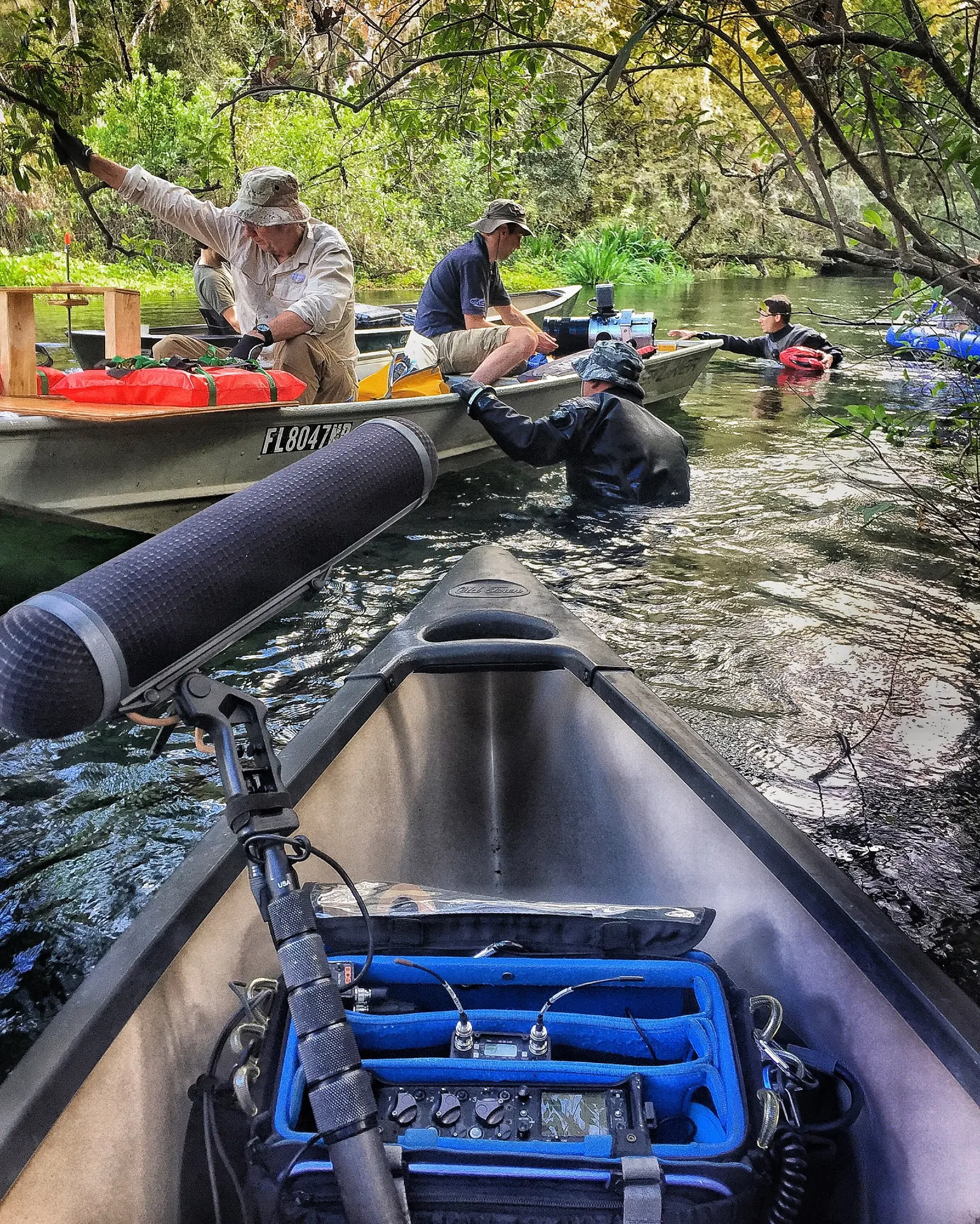
This is the heart of it: where every microphone comes together and gets recorded. Mine is a Sound Devices 833. The reason it matters to you: enough inputs to mic a full scene, and rock-solid recording that doesn’t drop files.
Wireless lavalier mics for everyone who talks
Hosts, interview subjects, panelists. I run Sound Devices A20 and Sanken COS-11 wireless lavs. Good wireless is the difference between freedom to move and a shoot that grinds to a halt every time someone walks out of range.
Boom mics for natural, room-filling sound
Sanken, Schoeps, and Sennheiser, depending on the situation. Indoors, outdoors, run-and-gun, or a controlled set each want something different.
Timecode, jam-synced to every camera
I use Tentacle Sync. This is the quiet hero of post-production: it means your editor’s footage and audio line up automatically instead of by hand, which saves real money in the edit. More on what jam syncing is and when you need it.
IFB when you need it: an add-on I always carry
A wireless feed (Lectrosonics) to the director, client, and reporter so they hear exactly what’s being recorded, live, while it happens. This one lives on my rate card rather than being standard on every shoot, but it’s always in the kit and ready to go. Here’s what an IFB is and who wears one.
Redundancy on every job
A second recording runs in the background, always. Cards fail and files corrupt. Rarely, but it happens, and when it does, “we lost the audio” is not a sentence I’m willing to say to a client.
The point of a package like this isn’t the gear list. It’s that when the shoot changes on the fly (and it always does), I already have what the new plan needs. No “we’ll have to come back,” no scrambling for a rental.
More field notes: what jam sync timecode means · what an IFB earpiece is and who wears one · what room tone is and why I ask for thirty seconds